Understanding the Basics of Residential Landscaping for Contra Costa County Homes
Residential landscaping is an integral part of creating a beautiful and harmonious home environment, especially in a unique region like Contra Costa County. From selecting the right plants to designing an efficient irrigation system, there are several elements to consider. In this blog, we’ll delve into the essential components of residential landscaping tailored for Contra Costa County homes.
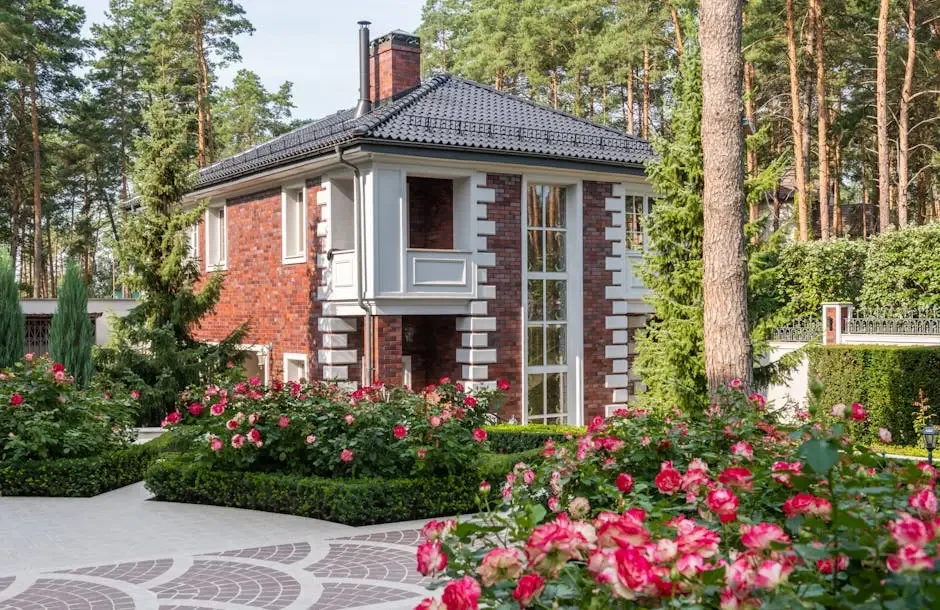
Knowing the Terrain of Contra Costa County
The diverse terrain of Contra Costa County makes it important to consider factors like soil type, elevation, and microclimates when planning your landscape. Understanding these elements will help you choose the right plants and design a layout that complements the natural surroundings.
One of the first things to consider is soil composition. Contra Costa County features a variety of soil types, from sandy to clay-heavy soils. It's crucial to test your soil to determine its pH and nutrient levels. This information is essential for selecting plants that will thrive without needing excessive amendments. Utilizing native plants that are adapted to the local soil and climate can significantly reduce maintenance while boosting the landscape's natural beauty and resilience. Moreover, the elevation across the county can lead to different microclimates even in short distances, requiring specialized planning.
Microclimates can significantly affect your planting strategy. These are small areas within your garden that have varying moisture, temperature, or wind conditions. For example, a shaded area beside your home may remain cool and moist, while an open, sunny slope may be dry and warm. Recognizing these microclimates enables you to make informed decisions, ensuring that each plant gets the best possible conditions to flourish.
Choosing the Right Plants for Your Landscape
Selecting plants that thrive in Contra Costa County’s climate is crucial for a sustainable landscape. Discover which native plants and drought-resistant species are best suited for your garden to ensure year-round beauty with minimal maintenance.
Native plants are a great choice because they are naturally equipped to handle the area's seasonal fluctuations and often require less water and care than non-native varieties. Consider integrating species like the California poppy or manzanita, which not only add vibrant color but also attract local wildlife. Additionally, succulents and other drought-tolerant plants are ideal for combatting California's periodic water shortages, a common consideration for those looking to create a sustainable landscape in the region.
Designing with Water Efficiency in Mind
With the frequent drought conditions in California, designing an efficient irrigation system is vital. Learn about smart watering techniques and technologies that can help conserve water while keeping your landscape lush.
One effective strategy is to implement a drip irrigation system. This method delivers water directly to the plant roots, minimizing evaporation and ensuring that plants receive adequate moisture without waste. Coupling these systems with rain sensors and smart controllers can further enhance water efficiency. Mulching around your plants also helps to retain soil moisture and reduce water evaporation, keeping the ground cool and fostering healthier plant growth.
Incorporating Hardscapes for Functionality and Aesthetics
Hardscapes such as patios, pathways, and retaining walls add both functionality and visual appeal to your landscape. Explore ideas on how to integrate these features to enhance your outdoor living space while maintaining a cohesive design.
When planning hardscapes, blending aesthetic appeal with utility is key. Using locally-sourced stone or pavers for walkways can blend seamlessly with the natural environment, creating a harmonious look. Retaining walls not only bring structure and elegance but also help prevent soil erosion on sloped areas, providing a sturdy framework for your overall garden design. Outdoor seating areas and fire pits can be inviting focal points for gathering, increasing the versatility of your space.
Maintenance Tips for a Thriving Landscape
Regular maintenance is key to keeping your landscape looking its best. From seasonal pruning to fertilization schedules, we'll share practical tips to help you maintain a healthy and vibrant landscape all year long.
Creating a detailed maintenance schedule can simplify the upkeep of your yard. In the spring, focus on pruning dead or damaged branches and preparing the soil for new growth. Summer is a critical time for monitoring irrigation systems and ensuring mulch is ample to retain soil moisture. As autumn arrives, clean up fallen leaves and begin preparing plants for cooler temperatures with seasonal fertilization. Winter is an ideal period for planning changes or improvements to your design, ensuring that each year your landscape grows more beautiful and thriving.
Crafting Your Ideal Outdoor Space
By understanding the basics of residential landscaping specific to Contra Costa County homes, you can create a vibrant and welcoming outdoor space that reflects your style and meets the needs of your environment. With careful planning and consideration of local conditions, your landscape can become a beautiful extension of your home. Learn more about transforming your yard by visiting Hoang Landscaping.