
The Basics of Residential Landscaping: Tips for Beginners
Embarking on a residential landscaping project can be both exciting and daunting, especially if you're new to the world of gardening and design. This guide aims to break down the essentials, providing you with easy-to-follow tips and insights to transform your outdoor space into a beautiful and functional haven.
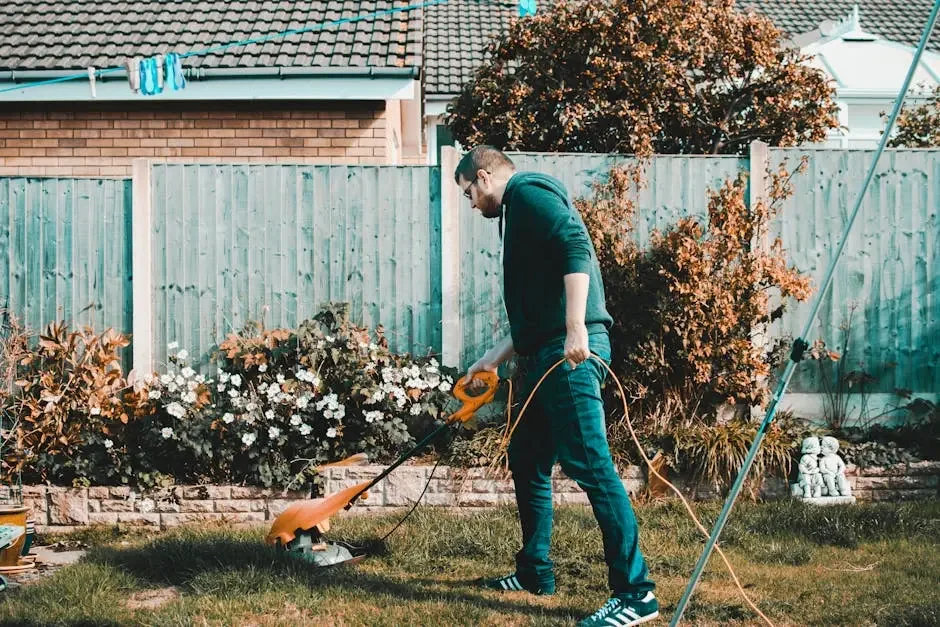
Understanding Your Space
Before you dive into planting, take time to understand the unique characteristics of your outdoor space. Consider factors such as sunlight, shade, soil type, and climate. These elements will guide your choices and influence how well your plants thrive.
Different areas of your yard might receive varying amounts of sunlight throughout the day, which can impact which plants will do well. For instance, a sun-loving plant may thrive in a south-facing area with full sun exposure, while a shade-loving variety would do better in a shaded nook. To get started, consider conducting a sunlight audit by monitoring how sunlight moves across your property over a typical day. Soil type also plays a crucial role in plant health. Conduct a soil test to assess the pH level and nutrient content of your soil, and amend it as necessary to suit the plants you wish to grow.
Your local climate will heavily influence your planting choices. If you live in a region with extreme temperatures or distinct wet and dry seasons, selecting plants that are adapted to those conditions can help your garden flourish. Look for native plants that have naturally acclimated to your area's climate—they tend to require less maintenance and are more resistant to local pests. Understanding your space at this foundational level sets the stage for a successful landscaping project.
Planning Your Design
A well-thought-out plan is the cornerstone of successful landscaping. Map out your vision by sketching a rough design or using online tools. Consider pathways, focal points, and functional areas such as dining or play zones to ensure a cohesive and practical layout.
When planning your design, think of your garden as an extension of your home. Just as you arrange furniture in a room, take time to place elements that balance both aesthetics and functionality. Designing a pathway that guides guests through your garden or locating seating areas strategically can provide places for relaxation and social interaction. Think about incorporating height variations in your plantings through the use of layered planting; taller plants at the back and shorter ones in front can create depth and interest.
Digital tools can immensely aid in visualizing your landscape project. A variety of apps and software are available for free or purchase, allowing you to design intricate layouts that simulate real-world conditions such as sun exposure and climate impacts. Whether you're drawn to a formal or informal style, thoughtfully planning your design before shovels hit the ground is key to creating a cohesive and stunning landscape.
Choosing the Right Plants
Plant selection is crucial for a thriving landscape. Opt for native or drought-resistant species that are well-suited to your climate and soil conditions. Balance aesthetics with practicality, considering factors like maintenance level and seasonal changes in appearance.
Native plants can be a beginner landscaper's best friend due to their adaptability to local conditions and their requirement of less water and care compared to non-native species. Moreover, they tend to support local ecosystems and benefit native pollinators. Drought-tolerant plants, such as succulents and certain grasses, can be particularly valuable in arid regions, minimizing the need for constant watering.
As you choose plants, think about their role in shaping the landscape's aesthetic over time. Some species bloom briefly but have striking displays, while others maintain greenery throughout the year. Consider how different plants change with the seasons to keep your landscape looking vibrant year-round.
Incorporating Hardscaping Elements
Hardscaping adds structure and functionality to your landscape. Consider elements such as rocks, patios, decks, and decorative features that complement your plantings. These additions enhance the usability and visual appeal of your outdoor space.
Start with functional needs: paths lead to areas of interest, patios provide dining and entertainment space, and walls can offer privacy. The materials you choose also impact the ambiance. For instance, natural stone can offer a rustic feel, while modern tiles lend a contemporary look. Patio design ideas can be a great source of inspiration.
In addition to large-scale hardscaping elements, smaller decorative features such as a focal-point sculpture or a water feature can add character and charm to your outdoor space. These elements not only enhance the aesthetics but can also contribute to a sense of peace and relaxation in your garden.
Maintaining Your Landscape
A beautiful landscape requires regular upkeep. Establish a routine for watering, pruning, and fertilizing to keep your plants healthy and vibrant. Season-specific tasks like mulching in spring or preparing for winter can prolong the life of your landscape.
Watering needs can vary greatly by plant species, soil type, and weather conditions. While some plants might require regular watering, others might need less frequent hydration. Consider installing a drip irrigation system which targets water directly to the root base and can be more efficient than overhead sprinklers.
Regular weeding and mulching are other important tasks. Mulching helps conserve moisture and suppress weeds, while keeping garden beds looking neat. Pruning promotes healthy growth and can prevent diseases. By implementing these maintenance routines, you ensure that your landscape remains a healthy and inviting environment.
Bringing Your Landscape Vision to Life
Residential landscaping doesn't have to be overwhelming. By starting with a clear plan, selecting the right plants, and incorporating personal touches, you can create a stunning outdoor space that reflects your style. Remember, patience and consistency are key—gardens take time to flourish. Embrace the journey, and enjoy the process of bringing your landscape to life.