
7 Steps to Create a Stunning San Ramon Landscape in Your Backyard
Creating a beautiful landscape in your backyard can seem like a daunting task, but with some guidance, you can transform your outdoor space into a stunning San Ramon-inspired retreat. In this blog, we'll guide you through simple steps to help you design a backyard that blends beauty with functionality, while embodying the charm of San Ramon.
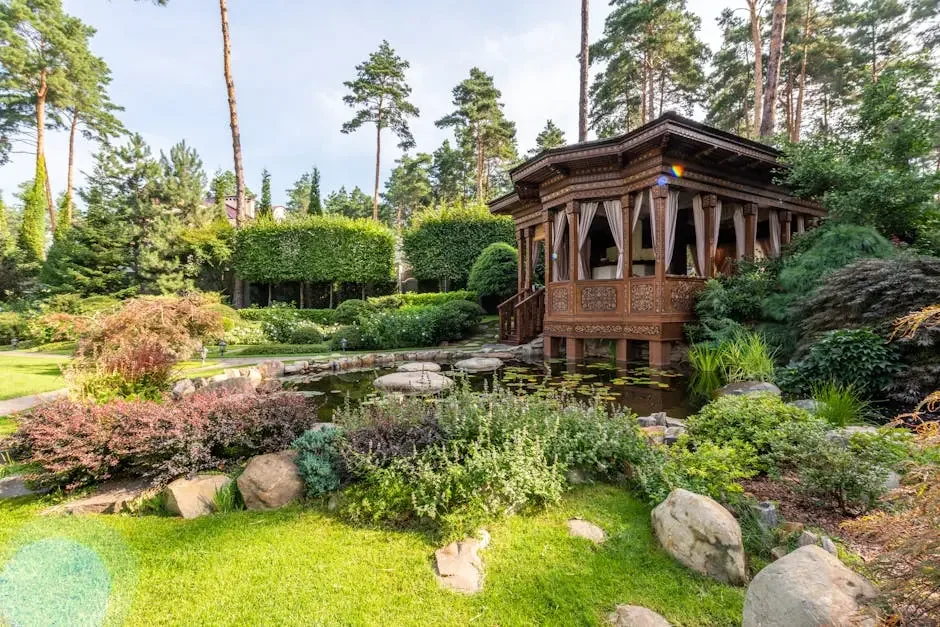
1. Understanding the San Ramon Aesthetic
San Ramon is known for its natural beauty, with rolling hills and beautiful native plants. Your landscape should reflect this aesthetic, using elements such as native grasses and wildflowers that thrive in local conditions. This not only enhances beauty but also ensures sustainability. For instance, incorporating drought-tolerant plants can significantly reduce water usage, aligning with the natural ecosystem of the area.
To harness the full potential of the San Ramon aesthetic, consider the colors and textures inherent in the local scenery. The golden hues of blooming California poppies can be mirrored in your choice of plants, providing a seamless blend with the colors of the surrounding landscape. Similarly, the robust texture of native oak trees can provide structural stability as well as visual appeal. By doing so, you're not just planting a garden; you're creating a living extension of the community's natural environment.
2. Crafting a Vision and Layout
Start by envisioning what you want your backyard to look like. Consider the layout and functionality, making sure to allocate spaces for relaxation, gardening, and socializing. Sketch a rough design that includes pathways, plant zones, and features you desire. Designing a layout is like creating a puzzle where aesthetics and practical uses interlock harmoniously. It’s essential to think about how different areas can flow into one another while maintaining distinct purposes, such as a quiet reading nook versus a lively outdoor dining area.
In the layout phase, consider both vertical and horizontal spaces. Vertical spaces can be enhanced with climbing plants or vertical gardens, which add depth and intrigue to your design without consuming too much floor space. This is especially useful for smaller backyards where maximizing every inch is crucial. When thinking about materials, try to use sustainable hardscaping options, such as reclaimed wood or permeable paving stones, which help maintain the natural balance by enabling water infiltration while providing structure to your design.
3. Choosing Native Plants and Trees
Selecting plants and trees native to San Ramon not only supports the local ecosystem but also ensures that they will thrive with minimal maintenance. Look for oak trees, manzanitas, and fremontodendrons to add authentic local character to your landscape. The resilience of these plants to local pests and weather conditions makes them an excellent choice for homeowners seeking low-maintenance greenery.
When selecting native species, consider pollinator-friendly plants that attract bees, birds, and butterflies, enriching your backyard not just visually but ecologically. For instance, incorporating milkweed can provide essential resources for monarch butterflies, contributing to broader conservation efforts. This biodiversity boosts the natural vibrancy of your garden while playing a part in maintaining the local ecosystem's health.
4. Incorporating Water Features
Consider adding a water feature that complements the serene ambiance of San Ramon. A small pond, fountain, or even a birdbath can enhance tranquility and attract local wildlife, adding movement and life to your space. Incorporating water features can significantly raise the zen quality of your backyard, turning it into a peaceful retreat away from the hustle and bustle.
When planning your water feature, prioritize designs that are efficient and sustainable. Solar-powered fountains are an excellent choice for those seeking to minimize their environmental footprint while enjoying the soothing effects of running water. Furthermore, positioning your water feature next to pollinator-friendly plants can create a hub of life and activity in your garden, making it a delightful focal point that draws both people and local wildlife into its calming presence.
5. Creating Cozy Seating Areas
Set up inviting seating areas where you can relax and enjoy your new landscape. Use natural materials like wood or stone to seamlessly blend with the environment and consider adding shade with pergolas or umbrellas. Comfortable seating arrangements can transform your backyard into an outdoor living room, perfect for hosting gatherings or simply unwinding with a good book.
For a touch of luxury and warmth, consider integrating outdoor fireplaces or fire pits, which can extend the usability of your yard into cooler evenings. Think about using multi-functional furniture, like benches with built-in storage, to keep your space tidy and organized. By designing these cozy spaces, you're ensuring that your backyard isn’t just visually inviting but also a functional oasis of comfort and relaxation.
6. Adding Accent Lighting
Accent lighting can highlight the beauty of your landscape even at night. Use solar lights along pathways, lanterns in seating areas, and spotlights to feature focal points like favorite plants or architectural elements. Properly placed lighting extends the usability of outdoor spaces, transforming your garden into an evening retreat.
Consider using LED lights, which are energy-efficient and long-lasting, making them suitable for sustainable outdoor lighting. Dimmers and timers can further personalize your lighting setup, allowing you to adjust the ambiance according to different occasions or moods. Layering different types of lighting helps create depth and dimension, adding to the overall enchanting atmosphere of a well-lit backyard.
7. Embracing Sustainability Practices
Make your San Ramon landscape eco-friendly by incorporating sustainable practices such as rainwater harvesting, composting, and ensuring proper waste management. These approaches will not only conserve resources but also promote a healthy environment. Implementing rain barrels can significantly decrease water wastage by capturing and utilizing rainfall for garden irrigation.
Additionally, consider creating a composting system to recycle organic waste into nutrient-rich soil, promoting a closed-loop system within your garden. This not only reduces waste but also enriches your soil, encouraging healthier plant growth. By engaging in sustainable practices, you’re contributing positively to your local environment while adopting resource-efficient methods that can lessen your garden’s ecological footprint over time.