
Discover the Latest Trends in Bay Area Construction and Landscaping
The Bay Area is a hub for innovation and sustainability, and this is reflected in its construction and landscaping industries. In this blog, we'll explore the latest trends shaping these fields, offering insights into how they're evolving and what to expect in the near future.
Sustainable Construction Practices Leading the Charge
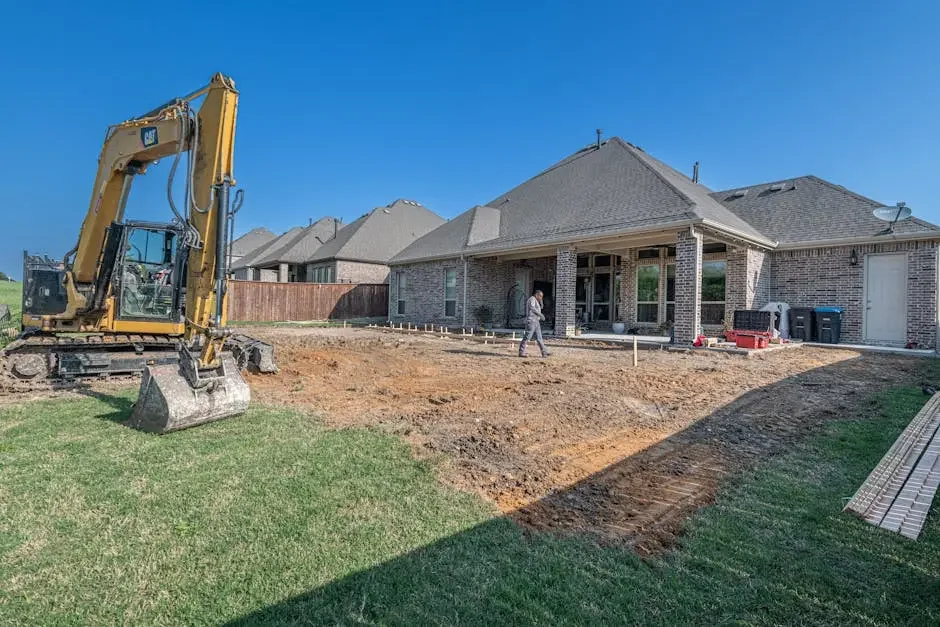
Sustainability is more than just a buzzword in the Bay Area; it's a guiding principle. From using eco-friendly materials to designing energy-efficient buildings, local construction companies are setting new standards in sustainability. For instance, the choice to use recycled materials is becoming commonplace, minimizing the environmental impact of constructions. Additionally, the emphasis on building designs that optimize natural light and ventilation reflects a broader recognition of the importance of reducing energy consumption and improving air quality. The concept of net-zero buildings is also gaining traction, aiming to balance energy consumption with energy production. These initiatives are not only about preserving the environment but also about enhancing the well-being of the residents.
Another aspect of sustainable construction is the integration of green certifications and standards. Achieving certifications such as LEED (Leadership in Energy and Environmental Design) demonstrates a commitment to sustainability. These certifications provide a framework for healthy, efficient, carbon and cost-saving green buildings. As more buildings meet these standards, the overall sustainability of the Bay Area's built environment improves. This approach not only helps the environment but also increases property value and attracts eco-conscious clients.
Interestingly, the Bay Area's commitment to sustainability and resilience is also depicted in its push towards the use of renewable energy. Solar panels, wind turbines, and other renewable energy systems are frequently incorporated into construction projects, allowing buildings to harness renewable resources. This not only reduces reliance on non-renewable resources but also supports the local goal of reducing carbon emissions, further reinforcing its reputation as a leader in sustainable construction.
Smart Home Integration: The Future is Here
The integration of smart technologies in new builds is a growing trend. From automation in lighting and heating systems to security features, smart homes are becoming more common, offering convenience and efficiency to homeowners. These technologies allow homeowners to control various functions of their homes remotely via smartphones or voice-activated systems, making daily life more convenient. The rise of smart home tech also contributes to energy efficiency by optimizing electricity use, helping reduce waste and cost.
Moreover, smart home technology is not just about convenience; it's also about creating safer living environments. For example, advanced security systems equipped with surveillance cameras and motion detectors provide homeowners with peace of mind. Additionally, integrated smoke and carbon monoxide detectors enhance safety by sending alerts to residents' smartphones, ensuring rapid response in case of emergencies. These innovations are part of a broader trend that shows how technology is reimagining what it means to be home in the Bay Area.
Creative Landscaping Solutions for Urban Spaces
With limited space available, landscapers are getting creative. Vertical gardens, rooftop green spaces, and innovative use of small areas are on the rise, allowing city dwellers to enjoy nature despite urban constraints. These practices not only enhance aesthetic appeal but also offer environmental benefits, such as improving air quality and reducing urban heat. Rooftop gardens can help insulate buildings, reducing the need for artificial heating and cooling, while vertical gardens make use of unused wall spaces, adding greenery without taking up valuable ground.
One fascinating approach gaining traction is the concept of edible landscaping. This method blends aesthetic design with functionality by incorporating fruit-bearing plants and vegetable crops into landscaped areas. Not only do these gardens provide fresh produce for homeowners, but they also support local biodiversity by attracting pollinators like bees and butterflies. Such innovations demonstrate that urban landscaping can be both beautiful and beneficial, transforming limited spaces into productive and sustainable environments.
The Rise of Xeriscaping in Water-Conscious Areas
In response to water scarcity concerns, xeriscaping is becoming increasingly popular. This landscaping method uses drought-resistant plants and efficient irrigation systems, significantly reducing water usage while maintaining aesthetic appeal. By choosing native plants that are adapted to the local climate, homeowners can create lush gardens that thrive with minimal watering. The importance of water-wise landscaping is especially crucial in the Bay Area, where water conservation is a top priority.
An interesting aspect of xeriscaping is its potential for innovation in garden design. The use of decorative gravel, mulch, and stones can create visually appealing landscapes without the need for traditional grass lawns. Additionally, installing efficient drip irrigation systems that deliver water directly to the plant roots further enhances the water-saving potential of xeriscaping. As climate change continues to impact water availability, these strategies offer practical solutions for sustainable landscaping, aligning with broader efforts to preserve precious natural resources in the Bay Area.
Embracing Innovation and Sustainability in the Bay Area
As we can see, the Bay Area continues to lead the way in sustainable and innovative construction and landscaping practices. Whether you're a homeowner looking to revamp your outdoor space or a professional in the industry, staying informed about these trends is key to thriving in this dynamic environment.