
7 Essential Elements of High-End Landscaping for Contra Costa County Gardens
Creating a stunning garden in Contra Costa County requires more than just a green thumb. It involves an understanding of the natural landscape, an eye for design, and a touch of creativity. In this post, we'll explore seven essential elements that will elevate your garden to a high-end masterpiece.
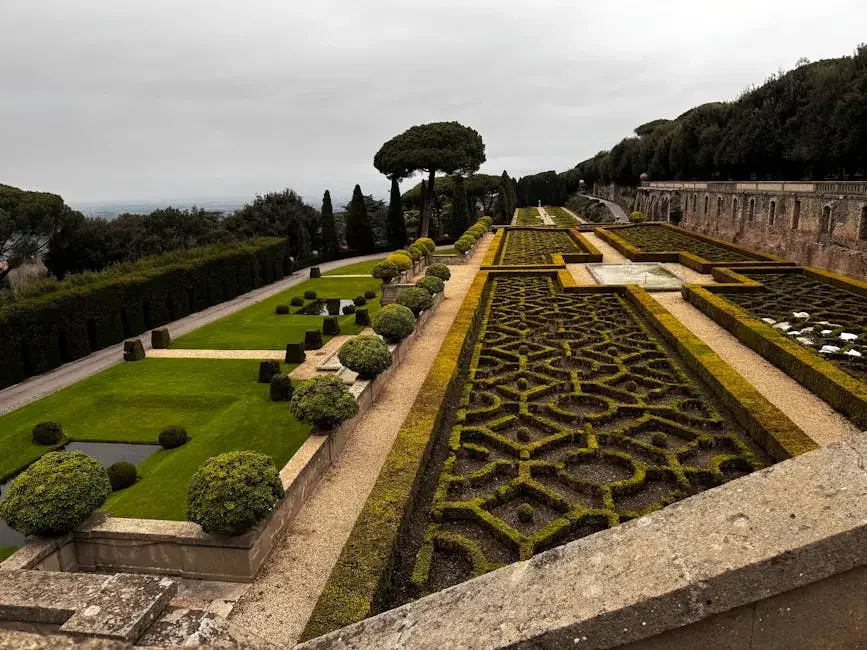
1. Understanding the Local Climate
Before planning your garden, it's crucial to understand the local climate. Contra Costa County experiences a Mediterranean climate, which means hot, dry summers and mild, wet winters. Selecting plants that thrive in these conditions will ensure your garden stays lush and vibrant year-round. Consider plants like lavender, rosemary, and olives that are well suited for the sun-drenched days typical in this region. Additionally, understanding wind patterns and sunlight exposure can help in positioning your plants strategically.
2. Incorporating Native Plants
Using native plants not only reduces water usage but also supports local wildlife. These plants are adapted to the local soil and climate, making them a low-maintenance and environmentally friendly choice for your garden. The inclusion of species like California poppies and coast live oaks can attract pollinators, such as bees and hummingbirds, enhancing biodiversity in your landscape. Moreover, native plants generally require fewer chemical fertilizers and pesticides, which further promotes a healthy and sustainable garden environment.
To effectively integrate native plants into your garden, consider starting with a few key specimens and gradually expanding. Mix them with ornamental plants for a diverse yet coherent landscape. This combination can yield a visually appealing garden while still capturing the essence of the local ecosystem.
3. Designing with Sustainability in Mind
Sustainable landscaping practices, such as using drought-resistant plants and efficient irrigation systems, are crucial for creating a high-end garden. These practices not only enhance the beauty of your garden but also contribute to conserving resources and protecting the environment. Consider installing a drip irrigation system, which delivers water directly to plant roots, minimizing evaporation and waste. Additionally, incorporating rainwater harvesting systems can further reduce your reliance on municipal water sources.
4. Creating Focal Points
Incorporate visual interest in your garden with stunning focal points such as water features, sculptures, or unique plant arrangements. These elements draw the eye and add personality to your outdoor space. A well-placed water fountain or a rustic pergola can serve as conversation starters while subtly guiding visitors through your landscape journey. Select focal elements that resonate with the overall theme of your garden for a cohesive aesthetic.
When designing focal points, remember that simplicity is key. Too many competing elements can create visual confusion. Instead, focus on a few captivating pieces that complement the surrounding plant life. Well-chosen focal points can make your garden feel meticulously curated and effortlessly elegant.
5. Maximizing Outdoor Living Spaces
Enhance the functionality of your garden by creating outdoor living spaces. Consider a patio for dining, a cozy seating area, or even an outdoor kitchen. These spaces not only increase the usability of your garden but also provide the perfect setting for gatherings with family and friends. Opt for durable materials, such as natural stone or weather-resistant wood, to withstand the elements while maintaining elegance. Incorporate natural shading elements like pergolas or strategically planted trees for comfort.
6. Embracing Color and Texture
An engaging garden isn't solely about the greenery; it also involves a play of colors and textures. Use a variety of plants with different leaf shapes, colors, and heights to create visual harmony and interest. Ornamental grasses, succulents, and flowering bushes can each contribute layers of texture, while seasonal blooms such as tulips or dahlias introduce vibrant colors. By planning for staggered blooming periods, you can ensure vibrant hues and textures throughout the year.
For added visual depth, consider layering plants and objects in your garden layout. Tall plants can provide a backdrop for shorter foliage, while raised beds can add dimension. Thoughtful arrangement of colors and textures not only enhances aesthetic appeal but can also serve practical purposes such as windbreaks or visual barriers for increased privacy.
7. Lighting for Ambiance and Safety
Strategic lighting can transform your garden into a magical space after sunset. Use ambient lighting to highlight pathways, plants, and architectural features, ensuring both safety and enchanting nighttime aesthetics. Consider installing solar-powered stake lights for an eco-friendly solution. For a more dramatic effect, place spotlights at the base of large trees to cast interesting shadows.
Don't forget practical lighting needs, such as lighting for pathways and entrances. Subtle low-level lighting can prevent trips or falls, making your garden safer to navigate at night. In addition to practical concerns, creative lighting design can highlight your garden's best features, emphasizing its beauty even after the sun goes down. String lights or lanterns hung in seating areas can add a cozy, inviting glow for evening gatherings.