
15 Creative Ideas for Full-Service Landscaping Makeovers
Transforming your outdoor space into a stunning retreat can feel like a daunting task. However, with the right ideas and guidance, your landscaping makeover can become an exciting and creative project. Whether you're looking to enhance your garden with lush greenery or create inviting pathways, these ideas will inspire your next full-service landscaping adventure.
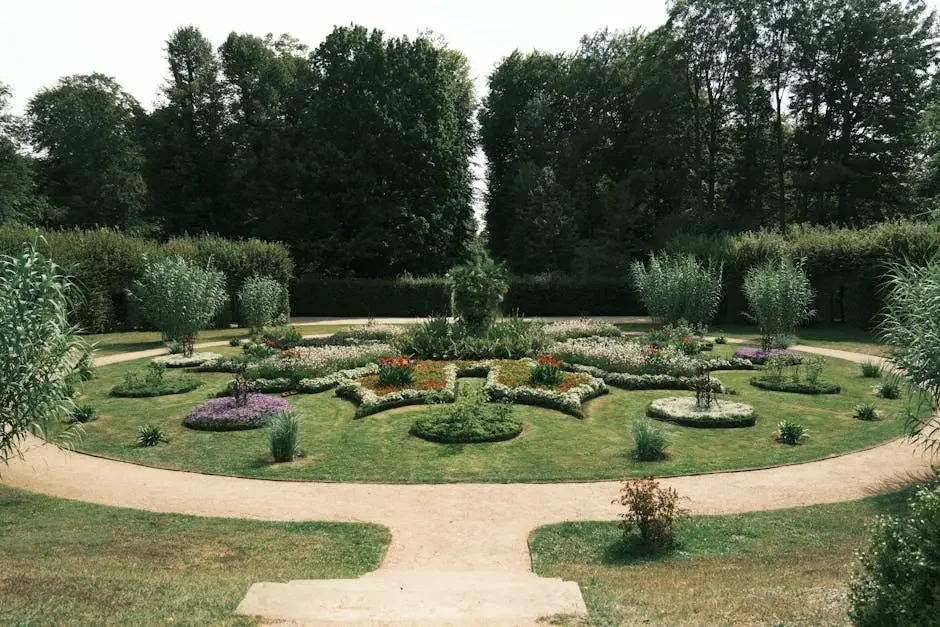
1. Incorporate Native Plants
Using native plants in your landscaping design not only supports local wildlife but also reduces maintenance needs. These plants are adapted to the local climate, requiring less water and attention, which makes your garden both beautiful and eco-friendly. Native plants are typically more resilient to pests and disease and help preserve the region’s biodiversity.
Furthermore, incorporating native plants can transform your backyard into a haven for pollinators like bees and butterflies. This boosts the ecological value of your garden while offering stunning natural beauty throughout the seasons. Imagine your garden alive with color and movement, perfectly integrated into its natural environment.
2. Add a Water Feature
A water feature such as a pond, waterfall, or fountain can bring a sense of tranquility and motion to your garden. The sound of running water also adds a calming effect, making your outdoor space a peaceful retreat. Not only do these features provide an aesthetic appeal, but they also help in maintaining a cool and inviting microclimate, which can be appreciated during the hot summer months.
3. Create Themed Garden Zones
Design various zones within your garden to cater to different activities or aesthetics. You might consider a zen garden for relaxation, a vegetable garden for sustainability, or a floral section for vibrant color. Designing with intention allows each space to serve a specific purpose, enhancing both the utility and beauty of your landscaping project.
Establishing themed zones can also make your landscape more engaging and purposeful. For instance, a culinary herb garden near your kitchen adds fresh aromas and flavors for your cooking, while a meditation corner with peaceful plant arrangements can serve as a personal retreat for unwinding and destressing.
4. Install Lighting for Ambiance
Strategically placed lights can transform your garden at night, highlighting focal points and creating a magical atmosphere. Consider solar-powered options for an eco-friendly solution. Path lights can guide guests through the garden, while spotlights can illuminate trees and architectural features, adding depth and drama.
5. Build a Fire Pit Area
A fire pit acts as a natural gathering point for friends and family, adding warmth and charm to your garden. Choose materials that complement your existing landscaping to seamlessly integrate it into your design. Whether built from rustic stone or sleek metal, a fire pit provides a cozy ambiance for evening get-togethers, fostering a welcoming outdoor living space.
6. Design Functional Pathways
Paths not only guide visitors through your garden but also define and connect different areas. Opt for materials like gravel, stone, or pebbles to add texture and interest. Intricately designed pathways can serve as visual threads that weave the landscape together, creating a cohesive and inviting garden environment.
Consider the practical and aesthetic aspects when designing these pathways. Smooth stones or bricks can make it easier to move throughout the space, while whimsical winding paths encourage exploration and discovery. By carefully choosing materials, you ensure pathways that are durable, beautiful, and perfectly suited to the overall design theme.
7. Incorporate Raised Garden Beds
Raised beds bring structure to your garden while making planting and maintenance easier. They are ideal for growing herbs, vegetables, or a cutting flower garden for year-round enjoyment. The elevated nature of these beds can improve drainage and allow for better soil management, leading to healthier plants and abundant harvests.
Installing raised garden beds not only enhances your garden's aesthetics but also promotes sustainability. Using untreated wood or recycled materials can further the eco-friendly appeal of your garden, while the elevated construction offers opportunities for creative landscaping with varied heights and depths.
8. Include an Outdoor Dining Space
Create an outdoor dining area to enjoy meals al fresco. Choose comfortable, durable furniture and consider adding a pergola for shade and style. An inviting dining area can extend your living space outdoors, creating the perfect spot for entertaining or enjoying quiet meals under the open sky. Integrating soft lighting can enhance the ambiance during evening gatherings, making every outdoor dinner a special occasion.
9. Integrate Art or Sculpture
Art pieces add personal expression and interest to your garden. Whether it's a modern sculpture or a classic statue, art can become a striking focal point. Select pieces that resonate with your personal taste and complement the surrounding environment. This not only elevates the visual appeal of your garden but also infuses the space with personality and elegance.
10. Add Vertical Elements
Vertical gardens or trellises can maximize space and add layers to your landscaping. They're excellent for climbing plants or when space is at a premium. Vertical elements provide a unique way to introduce greenery without taking up much ground space, making them perfect for smaller gardens or urban settings.
Incorporating vertical structures can help redefine small spaces, making them appear larger and more dynamic. Additionally, they can act as a living privacy screen or a lush backdrop, enhancing the overall dimension of your garden landscape.
11. Create a Wildlife Habitat
Design your garden to attract birds, butterflies, and other beneficial creatures by incorporating birdbaths, feeders, and specific plants that provide food and shelter. Creating a vibrant wildlife habitat can add an element of nature conservation, turning your garden into a small sanctuary for local fauna.
12. Install Hardscaping Accents
Hardscaping elements like stone walls, decorative benches, or a pergola add permanence and structure to your landscape, enhancing both functionality and design. Hardscape materials, chosen for their durability and aesthetics, help in creating a more structured and visually appealing outdoor space that seamlessly integrates with natural elements.
13. Utilize Seasonal Plantings
To keep your garden looking vibrant year-round, plan for a variety of seasonal plantings. This approach ensures continuous color and interest as different plants bloom throughout the year. Carefully orchestrating the timing of blooms not only enriches the landscape's appearance but also provides vital resources for pollinators across the seasons.
14. Explore Sustainable Landscaping
Consider eco-friendly practices such as rain gardens, xeriscaping, or the use of permeable paving. These methods help conserve water and reduce environmental impact. Incorporating sustainability into your garden designs aligns with conservation efforts and promotes a healthier ecosystem. For example, xeriscaping reduces the need for irrigation by using drought-resistant plants, making water management more efficient.
15. Personalize with Outdoor Decor
Incorporate personal touches such as outdoor rugs, cushions, or garden ornaments to reflect your style. These elements can make your space feel inviting and uniquely yours. By selecting decor pieces that speak to your tastes and complement your garden's aesthetic, you create an extension of your personal style that invites relaxation and enjoyment at home.